
You know what’s funny? For years, decades really, people have been treating Search Engine Optimization (SEO) and branding like two distant cousins who only see each other at big family dinners. You’ve got the tech folks over here, hunched over their spreadsheets, focused on site speed and proper indexing. And over there? The creative minds, talking about color palettes, tone of voice, and emotional resonance.
Honestly, it’s a huge misconception, and it’s costing businesses a lot of opportunity. The common myth is that SEO is just this cold, technical process, a kind of digital plumbing, and branding? Well, that’s just the pretty design stuff, the logo, the general vibe. Right?
Wrong. Completely wrong.
Here’s the thing: In the real world, the most successful brands don’t just do SEO; they are SEO. Think about it. When you search for “best coffee in Dubai,” you aren’t just looking for a technical result; you’re looking for a brand you can trust, a business that delivers on a promise. The two are inseparable. They are two crucial sides of the same very valuable coin.
So, what are we actually talking about? We’re talking about Brand SEO.
Let me explain. Brand SEO is simply the intentional, smart practice of aligning every single one of your search engine efforts, from the words you choose to the links you earn, with your core brand values. Brand SEO is about more than just ranking for a handful of keywords; it’s about ranking for who you are.

The goal isn’t a quick traffic spike; it’s to increase your overall brand visibility, build unwavering customer trust, and cement your long term authority building in the digital space. It’s what truly drives long term growth. It makes you the go to name.
This isn’t a theoretical argument; this is the necessary roadmap for digital success in a crowded market. You can’t afford to keep them separate anymore.
This guide promises to be different. We won’t just talk about titles and tags. Instead, we’re going to walk you through the five strategic pillars that are absolutely necessary to transform your current, often scattered, search strategy into a cohesive, unstoppable brand building machine. Ready to stop thinking like a bot and start winning like a brand? Let’s get to it.
Foundational Brand-Centric Technical SEO
Now, let’s get down to the brass tacks: the technical stuff. Most people think of technical SEO as totally separate from their creative brand work, right? Like it’s just a checklist for the developers. But honestly, your brand identity is only as strong as the foundation it sits on.
If the search engines can’t understand who you are, they certainly can’t tell their users to trust you. It’s that simple. We need to make sure your identity is technically sound for every bot and browser out there.
Optimizing for Branded Search Volume
You know what’s one of the biggest clues Google and other search engines have that you’re a real, important business? When people are actually typing your name into the search bar. This is your branded search volume, and it’s gold.
When a user searches for something like “Zumeirah services” or “Reviews for Zumeirah,” Google takes notice. Why? Because high branded search volume signals inherent trust and genuine demand. It tells the algorithm, “Hey, this company isn’t just gaming the system; real people are looking for them specifically.” Google rewards those sites.
So, how do you capitalize on this? Consistency is everything. Your first, most actionable step is to make sure you have claimed every single digital profile you can think of. Your social handles (Instagram, X, LinkedIn), local listings (Google Business Profile, Yelp, TripAdvisor), and every other directory must use the exact same brand name, logo, and primary description.
When all those properties link back to you with the same name, it builds a massive, undeniable digital footprint. You’re basically yelling, “I’m here, I’m real, and I’m consistent!”
The Brand’s Role in E-A-T
Speaking of trust, we absolutely have to talk about E-A-T signals (Expertise, Authoritativeness, Trustworthiness). This concept has become critical in search. Google wants to surface content from brands and individuals who really know their stuff.
Your brand’s ability to demonstrate E-A-T is heavily dependent on how you present your credentials, and this isn’t just about what you say, but how you code it.
Think about your About Us page. It shouldn’t be a generic corporate blurb. It should clearly, convincingly tell the story of your expertise: your history, your team’s qualifications, any awards you’ve won. If you’re selling financial services, show your certified accountants.

If you’re a luxury travel brand, showcase the travel veterans running the show. Similarly, every piece of content needs a strong, credible Author Bio that ties that specific writer’s expertise back to the subject matter.
Crucially, you need to verify this identity for the search engines. We do this with something called Schema Markup. Specifically, you want to use organization schema on your homepage and person schema on your author bios.
This is the professional jargon part: Schema is code that explicitly tells the bots, “This is the official name of the company, this is their CEO, these are their social links.” It verifies your identity right at the source, making it far harder for low-quality sites to mimic your authority.
Speed and User Experience as Brand Signals
Let’s be honest, nothing feels cheaper or less professional than a slow, clunky website. You might have the most beautiful designs and the most thoughtful copy, but if the page takes five seconds to load, what does that say about your brand quality? It’s a terrible first impression.
This is exactly where metrics like Core Web Vitals (CWV) come in. CWV measures real-world user experience elements, things like: how long it takes for the largest piece of content to appear (LCP), and how much the page shifts around while loading (CLS).
Poor scores in these areas reflect negatively on the overall brand experience. Why? Because speed and stability equal professionalism. A premium brand needs premium speed.
It’s an emotional cue, too. When a site loads instantly, the user feels respected; their time wasn’t wasted. When it lags, they get frustrated, and that frustration gets mentally linked to your brand name.
So, making sure your site’s architecture is fast isn’t just good technical SEO; it’s a non-negotiable part of your brand promise. A fast site says, “We care about the details, and we value your time.” Couldn’t be clearer than that, right?
Content Strategy for Authority and Voice
Look, we fixed the digital plumbing in Pillar 1. Now, we have to talk about what actually flows through those pipes: your content. If you just publish the same kind of stuff as everyone else, how are you ever going to stand out? Spoiler alert: You won’t.
Content isn’t just words on a page anymore. It’s the single biggest statement of your brand’s unique value proposition. If you treat it like a commodity, your brand will feel like a commodity, and that’s a fast lane to being invisible in search results.
Defining Your Brand’s Unique Angle and Intent
When a user types a query into Google, they are looking for an answer. But what makes your answer better than the thousands of others out there? This is about figuring out your brand’s Unique Angle.
It’s not enough to just cover a topic. You need to identify your “secret sauce,” that special perspective you bring to the table. For example, if you sell high-end furniture, you don’t just write about “how to clean wood.” You write about “The sustainable, heirloom-quality methods used by master craftsmen to maintain rare teak finishes.” See the difference? One is generic, the other is brand-specific.
A great way to show search engines you have deep knowledge is by developing Topic Clusters. Instead of writing one article on a broad subject, you write a central pillar page and then link dozens of related, highly specific articles to it. It tells Google:
- “We don’t just know a little about this; we know everything.”
- “We are the niche expertise on this subject.”
This clustering method demonstrates genuine topical authority, which is a massive win for both Search Engine Optimization (SEO) and brand credibility.
The Power of “Thought Leadership” Content
Honestly, too much of the content written these days is just a slightly rehashed version of the top five articles already ranking. It’s boring, and it does absolutely nothing for your brand. If you want people and search engines to pay attention, you need to step up to Thought Leadership.
What does that really mean? It means focusing on original research, unique data, and truly expert opinion.
- Have you run a survey? Publish the results.
- Do you have unique internal data on consumer behavior? Write about it.
- Does your founder have a truly contrarian but well-supported view on an industry trend? Feature it prominently.
For instance, a software company shouldn’t just summarize API documentation; they should publish a detailed study on how their unique method (let’s call it the “Velocity Framework”) reduces deployment time by 40%.
Using these proprietary frameworks and developing unique terminology actually embeds your brand into the industry conversation. When people start talking about your framework, they are talking about your brand. That’s real authority.
It’s also crucial to maintain a consistent tone of voice. Are you playful? Serious? Academic? Whatever it is, stick to it. Your audience and the algorithms should recognize your content instantly, even without seeing your logo.
Incorporating Brand Values into Keywords
This is where the magic of Brand SEO happens. Most keyword research looks for volume. We, however, are looking for alignment.
Why chase generic, hyper-competitive keywords if they don’t reflect your company’s actual mission? Instead, look for long-tail keywords that seamlessly fold your brand values right into the topic.
Let’s say your business is deeply committed to sustainability. Instead of just trying to rank for “best production methods,” you should be targeting:
- “Ethical brand SEO strategy”
- “Sustainable supply chain transparency”
- “Zero-waste packaging guides”
This approach doesn’t just get you traffic; it gets you the right kind of traffic: people who already care about what your brand stands for. These people are instantly more engaged and more likely to convert, becoming not just customers, but genuine brand advocates. It’s a much smarter, more valuable approach to content marketing, wouldn’t you agree?
Leveraging Off-Page Signals (Digital PR and Links)
Let’s be real. It doesn’t matter how great you say your brand is if nobody else backs you up. Your off-page strategy, which includes links and mentions from other sites, is Google’s primary way of judging your brand’s standing in the real world. You can’t fake this part; it’s all about earning respect.
The Brand-Driven Link Building Approach
For years, people treated link acquisition like a numbers game. “Get 100 links this month!” But honestly, that quantity focus is outdated, risky, and totally misses the point of Brand SEO.
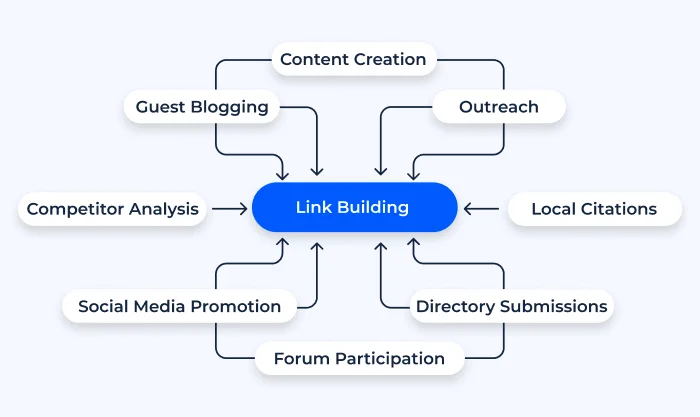
We need to shift from quantity to quality. Your goal shouldn’t be just any link; it should be a link from a high-authority site that shares your target audience or core values.
Think of it like this: A mention of your high-end travel brand on a respected lifestyle magazine’s website is worth a thousand links from generic business directories. That one good link doesn’t just pass technical “link equity” (the professional jargon for value); it passes brand credibility. It tells a relevant audience, “This is a brand like us; they’re worth knowing.”
Also, here’s a crucial insight: don’t just focus on links. Pay close attention to Brand Mentions. These are instances where someone talks about your company, your founder, or your unique product, but doesn’t actually link to your site.
Google is smart enough now to understand that an unlinked mention on a major news site is still a powerful signal of organic fame and relevance. You should track these mentions and, where appropriate, reach out gently to see if they can turn that mention into a proper, valuable link.
Digital PR and Media Outreach
This is where SEO really starts to sound like a marketing agency, not a technical team. Digital PR is the art of getting the media to talk about you, which inevitably leads to high-quality links and massive brand exposure.
To succeed here, you need linkable assets. You can’t just send out a generic press release and expect coverage. Journalists are busy people; they need something useful and quotable.
- Unique Studies: Publish original research on your industry. A UAE real estate firm could release a study on “The Hidden Impact of Remote Work on Dubai Property Values.”
- Free Tools: Create a simple calculator or template that solves a common problem.
- Compelling Infographics: Visualize complex data in an easy-to-digest format.
The press releases you craft shouldn’t just state a fact; they need to reinforce your brand story. If your brand is about being ethical, the press release about your new study should focus on the ethical implications of the findings.
If you’re about speed and efficiency, the release should focus on how your new tool saves customers time. It’s always a subtle, consistent connection back to your core identity.
Managing and Monitoring Your Brand’s Reputation
What does Google do when someone searches for your brand name? The first results are the face of your business, and that face needs to be clean. This is your active brand reputation management.
Unfortunately, you can’t make everyone happy, and bad reviews happen. But you absolutely must address negative reviews or search results proactively. Ignoring a bad review on a critical platform like Google Business Profile or TripAdvisor sends a louder, more negative message than the review itself. Show that you listen, that you care, and that you take steps to correct mistakes. This demonstrates responsibility and trustworthiness, the bedrock of any solid brand.
It’s important to actively monitor SERPs (Search Engine Results Pages) for your brand name regularly. You need to know instantly if a damaging article or a low-quality competitor trying to trade on your name pops up.
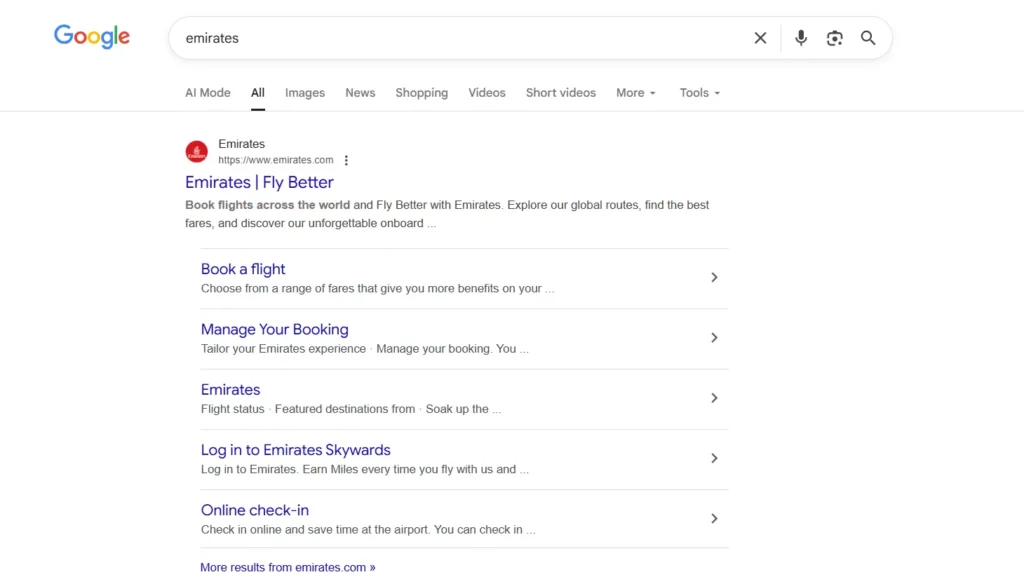
By keeping a vigilant eye, you ensure that the narrative presented by search engines is the one you want to project. After all, if the search results for your name look sketchy, why would anyone trust you? They wouldn’t.
Consistency Across the SERP Landscape
Let’s face it: the Search Engine Results Page (SERP) is basically your digital billboard. It’s the very first place a potential customer sees you, and that space is crowded. You need to be instantly recognizable and compelling.
If your brand disappears or looks generic on the SERP, you’re missing a massive opportunity to build trust even before the person clicks the link. SERP visibility is everything here.
Optimizing Title Tags and Meta Descriptions for Brand
Too many companies treat title tags and meta descriptions like technical chores—just stuffing them with keywords and moving on. That’s a huge mistake! These little snippets of text are arguably your most important ad copy.
You absolutely need to ensure your brand name or trademark appears naturally in your title tags, especially on high-value pages. Why? Because seeing a familiar or respected name significantly increases the chance a user will click on your result, which generates a high CTR (Click Through Rate). Google sees high CTR as a direct signal of relevance and quality, and that helps your rankings.
But it’s more than just the name. The descriptions you craft must reflect your brand’s tone. If your brand is witty and playful, make the description witty. If you’re a serious financial consultant, the description should be professional and authoritative.
This consistency builds an expectation. When the user clicks through and lands on a page that matches the tone of the description, the entire experience feels more cohesive and trustworthy. That’s clever title tag optimization at work.
Image and Video Branding
Think about how much the SERP has changed. It’s not just blue links anymore, is it? We have image carousels, video results, and rich snippets everywhere. Your brand needs to dominate these visual spaces, too.
First, you must use consistent visual elements—your logos, your brand colors, and your unique visual style—in all your rich media. When someone scrolls past a collection of images and sees a flash of your signature color or logo, it creates instant recognition. That subtle, mild repetition of visual identity is incredibly powerful for memory.
Second, don’t forget the underlying SEO work. You must properly use image alt text and video transcripts not just for accessibility, but to embed brand keywords. Alt text isn’t just for describing the image; it’s a chance to organically include your brand name or a relevant long-tail phrase that reinforces your unique value proposition.
This ensures that when search engines index your media, they associate it immediately with your brand.
Appearing in Featured Snippets and People Also Ask (PAA)
If the SERP is your billboard, the Featured Snippet is the penthouse suite. This prime SERP real estate is the holy grail of instant brand authority. Why? Because Google literally lifts your content and presents it as the definitive answer.
How do you get there? It’s simple, but not easy: by clearly and concisely defining your brand’s unique answers.
- Look at the common questions in the People Also Ask (PAA) section. These are the exact questions users are asking.
- Then, structure your content to answer those questions immediately, often in a single, simple paragraph, using precise language.
This requires a certain type of structured data in your writing. If your brand has a unique, proprietary framework (as discussed in Pillar 2), use a bulleted list or a numbered steps format to explain it right near the top of the relevant page. When Google pulls that framework into a Featured Snippet, your brand becomes the perceived expert, winning massive visibility and cementing authority with a single result.
Measuring the True Impact of Brand SEO
You know the old saying: “You can’t manage what you don’t measure.” When it comes to traditional SEO, tracking is pretty straightforward: Did your rankings go up? Did you get more organic traffic? Easy.
But Brand SEO requires a smarter approach. We’re not just focused on quick wins; we’re focused on building a durable, memorable business.
That means we need to look past the usual metrics and zero in on signals that specifically track brand awareness, authority, and long term loyalty. This is where you prove the marketing ROI of everything we just talked about.
Tracking Branded Search Volume vs. Non-Branded
If I had to pick just one metric for measuring the success of your Brand SEO strategy, this would be it. This comparison is the single most important metric for Brand SEO success.
Here’s the breakdown:
- Non-Branded Search: Users looking for general topics (“best luxury hotels in Dubai,” “what is digital PR”).
- Branded Search: Users looking for you by name (“Zumeirah address,” “Zumeirah reviews”).
Your goal is simple: You want to see the ratio of Branded Search Volume rise over time. When more people search for you than for generic keywords, it’s a clear, quantifiable signal that your authority and brand awareness are increasing. It means your content, your PR, and your consistent SERP presence are all working together to cement your place in the user’s mind.
They aren’t searching for a solution anymore; they’re searching for your solution. That’s an invaluable win.
Monitoring Direct Traffic and Referral Traffic
Two other critical sources of traffic tell a pure brand story: Direct Traffic and Referral Traffic.
Direct traffic is exactly what it sounds like. These are the people who bypass search engines entirely. They type your URL directly into the browser, or they click a link from an email or a document. This means they didn’t need Google to find you; they knew who you were and went straight to the source.
It’s the cleanest, clearest sign of pure brand recognition and recall. When this metric grows, it means you’re creating a memorable brand people genuinely care about.
Referral traffic from high-authority sources, which is a direct result of your Digital PR efforts (Pillar 3), is equally important. When respected sites send people your way, it shows validated trust. It means influential peers are vouching for you.
You should be constantly looking at your analytics to see which external websites are sending you traffic, because those partners are key to your long term authority building.
Analyzing Sentiment and Engagement Signals
Finally, we need to look at how people behave once they get to your site. This is all about engagement metrics. A high bounce rate (people who leave quickly) suggests your brand promise, as seen in the meta description, didn’t match the reality of the page content.
A low bounce rate and a higher time-on-page suggest the opposite: You’re providing a strong, engaging brand experience that resonates.
When someone spends five minutes reading one of your thought leadership articles or scrolls through a detailed case study, what does that tell you? It tells you they trust your expertise and they are connecting with your voice. Those deep engagement signals are what truly separates a strong brand from a forgettable one.
- Are people signing up for your newsletter?
- Are they visiting multiple pages after landing?
- Are they sharing your unique content on social media?
These actions prove that the alignment between your brand and your SEO strategy is paying off, generating not just traffic, but actual relationships. It confirms that the total experience—the technical speed, the unique angle, the external validation, and the on-page quality—is working in harmony.
Your Brand is Your Best SEO Asset
So, what have we learned? We’ve covered a lot of ground, moving from technical details to creative strategy and back to measurable outcomes. It all boils down to one simple, unavoidable truth: Your brand is your best SEO asset.
To briefly recap, we found success lies in unifying the five strategic pillars:
- The Technical Foundation : You must verify your identity with Organization Schema and deliver a flawless user experience, because a slow site communicates a cheap brand.
- Content Authority : Stop rehashing content. You must become a thought leadership resource by publishing original research and defining your unique value proposition through topic clusters.
- Off-Page Amplification : Links and Digital PR are the internet’s way of confirming your fame. Focus on quality link acquisition and earning genuine unlinked mentions from sites that truly matter.
- SERP Consistency : Your titles and descriptions are your micro ads. Use your brand voice and visual consistency in rich media to increase your high CTR and dominate the search results.
- Measurable Impact : The ultimate proof is in the data. Look for a rising ratio of branded search volume and increasing direct traffic. These are the clearest signals that you have built true brand awareness and lasting customer loyalty.
Stop treating SEO like a separate, siloed department run by a technician in a basement. And stop treating branding like a superficial exercise in design. They are two parts of one powerful, unified growth strategy. The brand sets the promise, and the SEO delivers that promise to the right people, at the right time.
When you fuse these two disciplines, you move beyond the constant struggle for short-term rankings. You establish deep, market-wide authority that is difficult to copy and easy for search engines to recognize. You stop being a generic player fighting for the same keywords and start becoming the undisputed market leader. That, truly, is the only sustainable, long-term success there is.