
The Digital Gateway to the Middle East
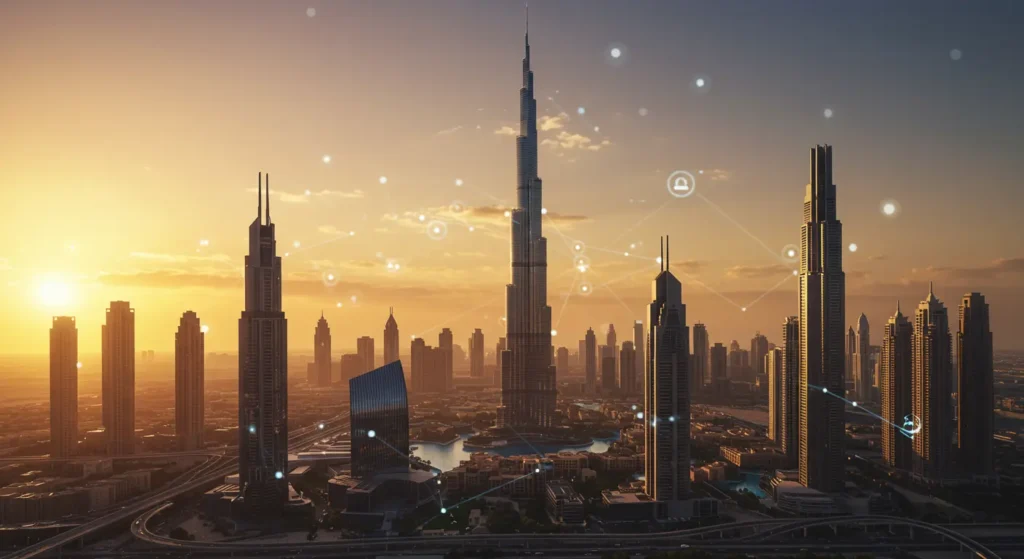
You know, there was a time—not that long ago, honestly—when Dubai was primarily known for its stunning architecture, its incredible hospitality, and being the ultimate global trading post. It was all about glitz and commerce. But here’s the thing: while those things are still totally true, the narrative has fundamentally changed.
Today, if you’re talking tech, Dubai isn’t just a hub; it’s aggressively positioning itself as the digital gateway to the entire Middle East and North Africa (MENA) region.
It’s genuinely exciting to watch. This isn’t just organic growth, mind you; it’s driven by serious, large-scale government programs, particularly the Dubai 10X Initiative, which aims to put Dubai’s government services a decade ahead of every other global city, and the ambitious UAE Digital Government Strategy 2025.
These aren’t just papers on a shelf; they are massive capital drivers for digital projects. If you’re a developer, or a business looking for high-quality digital solutions, this place is buzzing.
Defining the Scope: When “Website” Means “Web Application”
When we talk about web development in Dubai, please forget the idea of some basic, static informational website. That’s yesterday’s news. The Dubai market, being high-tech and, let’s be real, accustomed to luxury, demands sophistication.
We’re talking about enterprise-grade web applications, complex multi-vendor e-commerce platforms, and, increasingly, systems that feature deep AI integration for personalized services. A “website” here is often a highly custom-built digital ecosystem designed for speed, security, and a visually bold user experience.
Guide Focus: What’s Covered in This 2025 Edition
So, what should you really know if you’re thinking about packing your bags, or if you’re a Dubai-based company ready to revamp your digital presence? This guide cuts straight to what matters most right now.
We’re going to look past the headlines and get specific about current market trends, the crucial in-demand skills you absolutely need to master, honest salary expectations (and yes, we’ll talk about that tax-free benefit!), and exactly where to find those coveted tech jobs in Dubai. Whether you’re an aspiring coder or a CEO, stick around; this is your definitive roadmap.
The Dubai Digital Ecosystem: Key Market Drivers (2025)
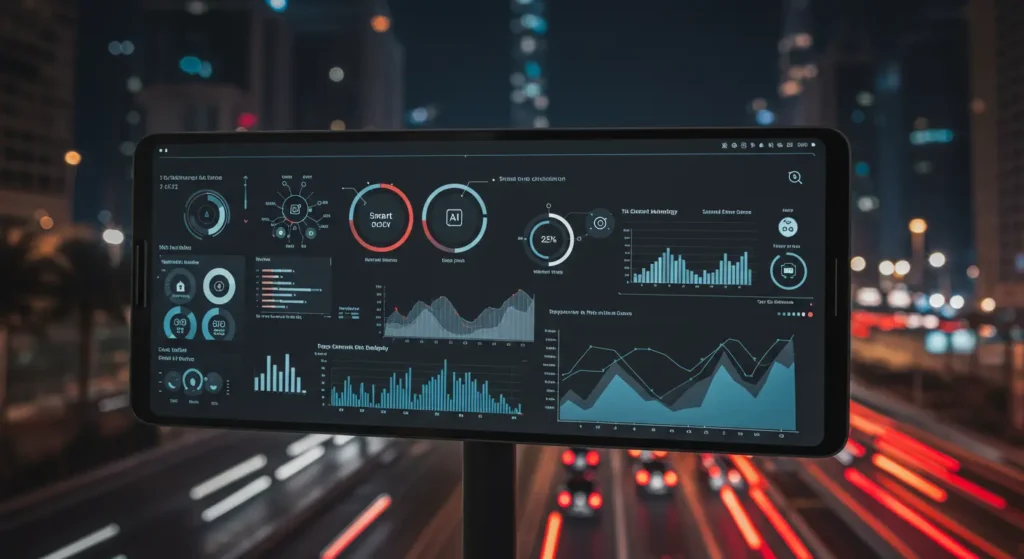
You can’t really understand the web development scene here without first grasping the foundational context: the government’s mandate. Unlike many markets where tech growth is purely grassroots, Dubai’s digital evolution is top-down, meaning opportunity often follows the government’s strategic focus.
The Smart City Mandate: Why Every Developer is a City Builder
The core driver is the Dubai digital transformation into a world-leading smart city. Think about the scale of ambition: moving toward 100% paperless government operations and integrating Artificial Intelligence into municipal services—from transport to public safety.
This governmental pressure trickles down, setting an incredibly high standard for private sector websites and applications. When government services are seamless and instant, the public expects the same from every e-commerce platform and corporate site. It creates a highly competitive environment where only truly robust, future-proof development gets the job done.
Core Web Development Trends in Dubai 2025
The local market isn’t just following global trends; it’s often magnifying them, sometimes to an extreme degree.
AI and Personalization: The Era of Intelligent Websites
Here’s where it gets interesting: the shift from a static brochure site to an intelligent platform is accelerating faster here than almost anywhere else. Why? Because the high-net-worth customer base demands hyper-personalization. AI/ML integration isn’t a nice-to-have anymore; it’s central to building custom user journeys.
Whether it’s a luxury goods site recommending items based on real-time emotional analysis of browsing behavior, or a FinTech app using predictive analytics to optimize savings, developers are expected to handle Python integration, work with TensorFlow, and understand how to manage data pipelines to make a site think. If your website just sits there, it’s already obsolete.
Mobile-First & Progressive Web Apps (PWAs): It’s Non-Negotiable
Honestly, if you’re developing anything for the UAE, you must assume the user is on their phone. The mobile usage rate here is consistently over 60%, and for e-commerce, it often spikes higher. Google’s mobile-first indexing is one thing, but local user behavior is the real hammer. This means responsive design isn’t enough; you must be designing mobile-optimized layouts first.
The rise of Progressive Web Apps UAE is a direct response to this need. PWAs offer that app-like experience—speedy loading, offline capabilities, and push notifications—without the hassle of an app store download. Companies want the seamless feel of an app with the reach of the web. Mastering PWA implementation (service workers, manifest files, caching strategies) will keep you very busy.
Immersive Web Experiences: Real Estate, Retail, and the Metaverse
Dubai is a city built on spectacle, so why would its websites be any different? We’re seeing a massive growth in AR/VR integration for web applications. Think about the real estate sector: instead of looking at flat photos, wealthy international buyers expect to navigate a 3D model of a new villa directly in the browser, complete with virtual staging.
Retail and tourism sites are doing the same. If you can handle WebGL, Three.js, or integrate WebXR for browser-based augmented reality, you’re sitting on a gold mine. This isn’t just about fun; it’s about converting high-value customers through unparalleled digital experiences.
Major Tech Hubs & Free Zones: Where the Magic Happens
If you’re relocating, or if you’re a business looking to set up shop, knowing the geography of innovation is crucial.
Dubai Internet City (DIC): This is the undisputed heart of the tech community. It’s home to massive multinational corporations, major regional players, and dozens of innovative startups. If you want to network, this is where you go; it’s got a palpable energy.
Dubai World Trade Centre (DWTC) and Dubai Design District (d3): While DWTC hosts massive events like GITEX GLOBAL (a huge deal for finding tech jobs in Dubai, by the way), d3 is where the creative and innovation labs often reside. If your focus is UI/UX, immersive web, or digital content, d3 is probably your vibe.
The Free Zone Advantage: Now, for the business owners: Free Zones fundamentally simplify setting up a web development company in Dubai. They offer 100% foreign ownership, zero corporate and personal income taxes (for the zones themselves), and simplified licensing processes.
This structure is what attracts global talent and capital, giving local agencies the edge and resources they need to build cutting-edge solutions. Honestly, the ease of doing business in these zones is a major reason for the whole digital boom.
Essential Skill Set & Technology Stack in Demand
Alright, let’s talk shop. What programming languages and frameworks are actually paying the bills here? The demand for excellence is incredibly high, so knowing just one area won’t quite cut it; you need deep specialization plus broad capability.
Front-End Demand: Beyond the Basics
Being a good front-end developer means being a performance ninja and an aesthetic connoisseur.
First, the frameworks: React, Angular, and Vue.js are the absolute standard. If you don’t have advanced proficiency in at least one of these (with TypeScript fluency, please!), you’re already behind. Dubai companies are building sophisticated, single-page web applications (SPAs) that mimic desktop software in complexity and responsiveness.
Second, performance is king. You have to obsess over Core Web Vitals. Slow load times mean lost revenue, especially in the e-commerce sector. This ties back to mobile-first design and the need for optimized assets and lean code.
Finally, the UI/UX design often follows a distinctly bold, clean, and sometimes minimalist aesthetic—it needs to look high-end, reflecting the market’s taste. You’re not just coding the visuals; you’re executing digital luxury.
Back-End and Full Stack Mastery: The Cloud Connection
If you want the highest paychecks, you’re aiming for the Full Stack Developer salary Dubai bracket. Why? Because businesses want efficiency, and a developer who can handle the entire application lifecycle—from setting up the database to deploying the UI—is gold.
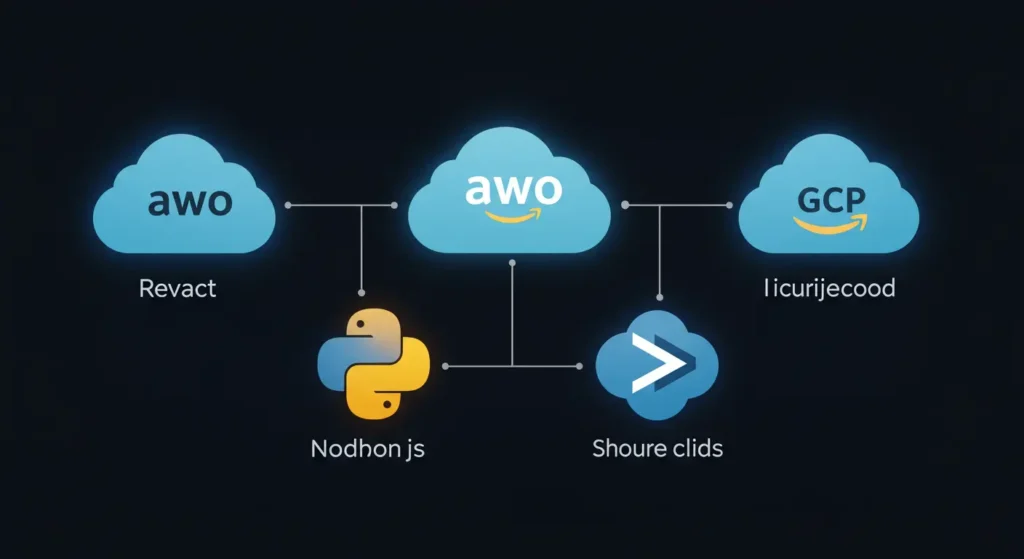
The Language Trio: Node.js remains incredibly popular for its speed and its unified JavaScript environment (making Full Stack easier). Python‘s star is rising rapidly, particularly because it’s the undisputed language of choice for all that AI/ML integration we talked about.
Finally, robust database management is non-negotiable, whether you’re rocking traditional SQL databases like PostgreSQL or managing high-volume data streams with NoSQL stores like MongoDB or Cassandra.
Cloud Expertise: Here’s the major separating factor for mid-to-senior roles: Cloud Expertise. Every serious application built today must be designed for scale and geo-redundancy. Knowing how to architect applications on AWS, Azure, or Google Cloud (GCP) isn’t optional; it’s the price of entry. Specialization in containers (Docker, Kubernetes) and CI/CD pipelines (DevOps) is what separates the coder from the Cloud Solutions Architect, and that distinction matters hugely for your compensation.
Specialized Knowledge: The FinTech and E-commerce Gold Rush
This is where the money is, plain and simple.
The boom in eCommerce website development in Dubai continues unabated. It’s not just about setting up a store; it’s about complex multi-vendor marketplaces and customized digital shopping experiences. Companies still rely heavily on powerful platforms like Shopify Plus (for speed and scalability) and Magento (for deep customization), but the highest-value projects involve custom-built platforms tailored for local regulations and integration with regional payment gateways.
And then there’s FinTech. Dubai is aiming to be a global finance powerhouse. This means a tremendous demand for skills in Blockchain and security expertise. If you can develop secure, transparent web apps, understand smart contracts (Ethereum/Solidity), and adhere to stringent financial security protocols (data protection, encryption, risk assessment), you become an instant asset in the DIFC (Dubai International Financial Centre) ecosystem.
Career Roadmap & Financial Outlook

Let’s get down to the brass tacks: what’s the payoff, and how do you actually get your foot in the door?
Web Developer Salary Dubai: What to Expect in 2025
The salary data in Dubai can look confusing because the range is vast—from smaller, local companies paying modest rates to massive, global organizations offering top-tier packages. These numbers reflect competitive expectations in the professional, high-end market, especially within the Free Zones and global firms.
| Experience Level | Estimated Annual Salary (AED) | Notes |
|---|---|---|
| Entry-Level (0-2 years) | AED 100,000 – 150,000 | Often includes junior front-end or basic Full Stack roles. |
| Mid-Level (3-7 years) | AED 160,000 – 250,000 | Requires deep expertise in one stack (MERN/MEAN) and some cloud knowledge. |
| Senior/Lead/Full-Stack | AED 260,000 – 450,000+ | Requires architecture experience, cloud certification, and team leadership. |
A Crucial Note on Taxation: Here’s the genuine attraction: those salaries are typically tax-free from personal income tax. When you calculate the equivalent required salary in London, New York, or Paris to achieve the same net take-home pay, Dubai’s offer becomes incredibly compelling.
That tax-free status acts like an automatic 20-40% bonus, depending on your home country’s rates. Honestly, it changes the game completely when you’re planning your financial future.
Pathways to Employment: Getting Hired
Finding tech jobs in Dubai requires a slightly different approach than in Western markets.
Network and Events: Job boards are fine, but personal connections and industry events are often better. You must attend GITEX GLOBAL (if possible) or at least be active on professional networking platforms, connecting directly with recruiters and technology leaders based in Dubai Internet City. People here prioritize face-to-face (or at least direct) engagement.
Visa and Labor Law: This is critical for expats. Most employers handle the residency visa process for you, but understanding the new Golden Visa schemes (which reward specialized talent with long-term residency) is smart. Also, be aware that labor laws are robust and often favor the employee when it comes to contracts, end-of-service benefits, and working hours. Always get specialized advice before signing a complex contract.
Certification and Specializing: Given the demand for Cloud and AI, having certifications—like an AWS Certified Developer, a Google Cloud Professional Data Engineer, or a Certified Ethical Hacker (CEH) for security roles—is moving from being a bonus to being a virtual prerequisite. It provides immediate proof that you’re up to the speed required for the 2025 market. Specialize, and then certify that specialization.
For Businesses: Hiring and Outsourcing Web Development
If you’re a business owner in Dubai, you face a fundamental question: build your digital product in-house, or outsource it to an expert Dubai web design agency?
Deciding on In-House vs. Agency: Pros and Cons
In-House:
- Pros: Total control, deep institutional knowledge, and fast decision-making. You get a dedicated team immersed in your brand culture.
- Cons: High cost (recruiting, salaries, visas, benefits), difficulty retaining top talent (the market is hot!), and slower adoption of the newest external trends. Finding that senior Full-Stack genius who can also manage your Azure account is hard and expensive.
Outsourcing/Agency:
- Pros: Access to immediate expertise (especially in niche areas like AR/VR or FinTech security), fixed project costs, and faster time-to-market. Agencies already understand the cultural nuances and local regulations.
- Cons: Less direct control over daily work, and you risk a lack of continuity once the project is finished. You need to choose your agency very, very carefully.
How to Choose a Top Web Development Agency
Selecting the right partner can make or break your digital strategy. Here’s what matters most in the Dubai context:
Criteria for Selection: Don’t just look at pretty websites. Ask to see a portfolio that is highly relevant to the UAE market. Have they built e-commerce platforms with local payment gateways (like PayTabs or Tabby)? Do they have a proven track record of meeting stringent security compliance standards (especially if handling sensitive data)?
Crucially, check their expertise in Arabic language support and localization—it’s not just a translation; it’s ensuring right-to-left layout compliance and culturally sensitive imagery.
Understanding the Cost Structure: Agency fees vary wildly. Do you need an agency that charges high hourly rates (AED 250 – 600/hour for senior specialists) for maximum flexibility, or are you better off with a fixed project cost? For complex, defined projects (like a new e-commerce build), a fixed project cost provides better budget certainty.
Be clear about what maintenance and post-launch support are included, because a cheap initial build can quickly become a costly headache later on.
Legal & Compliance: The Non-Negotiables
For businesses, compliance is absolutely non-negotiable in the UAE.
Firstly, you must respect data localization requirements. Certain types of sensitive customer data, particularly financial and health data, may need to be stored within the geographical borders of the UAE. Your cloud architecture must account for this, so just deploying everything to a central European or US server probably won’t cut it.
Secondly, if you are selling online, be meticulous about e-commerce laws. This includes clear terms and conditions, transparent pricing (no hidden fees!), proper invoicing, and defined refund/return policies that comply with consumer protection regulations. Getting this wrong can lead to serious fines. A great agency of web development in Dubai will build these compliance features into the platform from day one.
Future-Proofing Your Web Development Journey
So, what have we learned? Web development in Dubai is definitely booming, driven by a national obsession with speed, luxury, and digital innovation. It’s an incredibly dynamic market, rewarding specialized skills handsomely. If you can pair deep front-end expertise (React/PWA) with back-end mastery (Node/Python) and, crucially, cloud fluency (AWS/Azure), you are already ahead of the curve.
The Next Step: Don’t Wait for Permission
The message is clear for both developers and business leaders: the future is now. You must immediately start training in the AI, Cloud, and PWA stacks if you want to future-proof your career or business strategy. Don’t just learn the theory; build real-world, portfolio-worthy projects that integrate these complex elements.
Show employers and clients that you understand how to build high-performance, intelligent applications tailored for this demanding market. The competition is fierce, but the rewards are genuinely massive.
Honestly, launching a digital presence here is exciting, but it can feel overwhelming given the high standards and legal requirements. What are your biggest questions right now about securing a Full Stack Developer salary in Dubai offers, or maybe about launching your own eCommerce website development in Dubai? Share your thoughts below—let’s keep this conversation going!