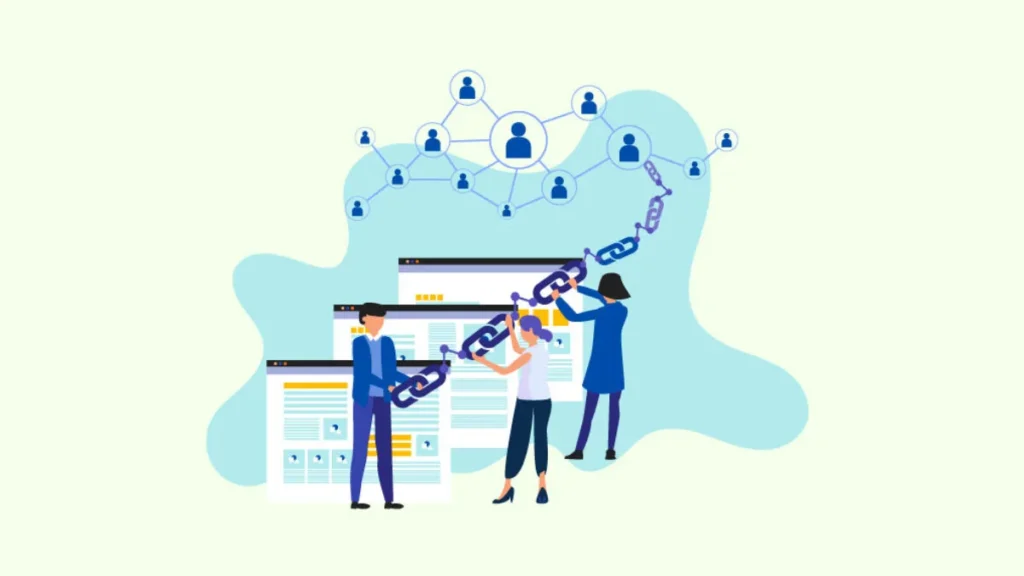
Search has changed more in the last twelve months than it did in the previous five years combined. With Google’s AI Overviews and the rise of ‘answer engines” now everyone is asking the same thing.
Do links even matter anymore?
They actually matter more than ever but the bar has been raised to a skyscraper level. In 2026, a link isn’t just a vote for your site but it’s a verification of your existence.
AI models are essentially looking for digital “proof of life,” and nothing says “we know what we’re talking about” like a citation from a major publication or a respected industry leader.
Why Most People Are Still Struggling
The problem is that most site owners are still playing by old rules. They’re buying “niche edits” from sites that haven’t seen a real human visitor in years, or they’re spamming journalists with generic AI-generated pitches.
You know what happens? Nothing. Or worse, their rankings tank. These outdated tactics are like trying to fuel a Tesla with coal and t’s just not going to work.
Low-quality backlinks are essentially digital noise. If your site is buried on page four then it’s usually because your link profile looks like a graveyard of automated footprints.
It’s frustrating, right? You put in the work, you build the content, but the needle just doesn’t move.
The New Gold Standard
If you want to actually win in this environment then you have to pivot toward High-Authority Link Building that’s rooted in actual ethics and real-world value.
This isn’t just about a “ranking boost” though that’s a nice side effect. It’s about building a fortress of trust around your brand.
The best way to do this involves a blend of creative Digital PR, original data, and the kind of manual outreach that makes people actually want to talk to you.
When you focus on earning editorial mentions rather than just “getting links,” your organic traffic doesn’t just grow but it also becomes sustainable.
You’re not just chasing an algorithm but you’re becoming an entity that the algorithm can’t afford to ignore.
The shortcut era is over. But for those willing to do the work, the rewards in terms of E-E-A-T and long-term search dominance have never been bigger.
What is High-Authority Link Building?
When people talk about Search Engine Optimization, they tend to throw the word “backlink” around like it’s a universal currency.
But honestly? It isn’t. Not anymore. If you want to understand high-authority link building, you have to stop thinking about links as “votes” and start thinking about them as “endorsements from the elite.”
A link from a random, dusty blog that no one reads is technically a backlink, but it’s basically worthless. High-authority links, on the other hand, are the heavy hitters.
We’re talking about mentions from reputable and high-trust sites that have already done the hard work of proving themselves to Google think sites with a Domain Rating (DR) of 60 or higher on Ahrefs.
Quality Over Everything
There was a time not that long ago where you could “win” SEO by simply having more links than the next guy.
It was a numbers game, plain and simple. But Google got smart. Post-Penguin and a dozen other updates, the focus shifted entirely from quantity to editorial value.
If you get a link today, it needs to have three things:
- Topical Relevance: Does the site linking to you actually talk about what you do?
- Trust: Is the linking site a known authority in its space?
- Real Traffic: Do actual humans visit that site?
If the answer to those is no then the link is just digital clutter.
High-authority link building is the deliberate process of earning those “clean” links through manual outreach and genuine value.
How to Tell the Real Deal from the Fluff
You can’t just look at a site and guess its power. You need the right yardsticks. Most pros look at a mix of metrics like Domain Rating (DR) from Ahrefs, Domain Authority (DA) from Moz, and Trust Flow.
But you know what? Those are all third-party guesses. The most important metric is often just seeing if the site actually ranks for anything itself.
If Google trusts them enough to show them in search then a link from them is golden.
The Different Flavors of Links
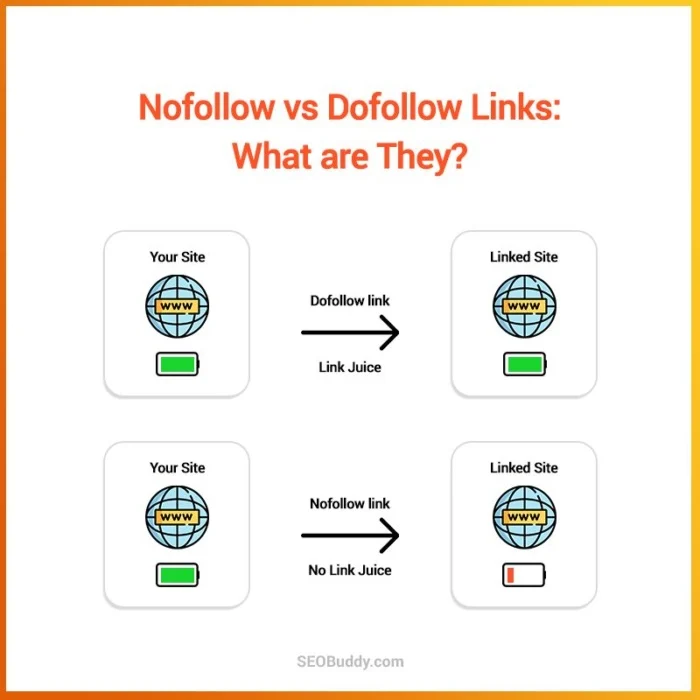
Not all links are built the same way. You’ll hear people argue about Do-follow vs. No-follow until they’re blue in the face.
While “Do-follow” links are the ones that pass that sweet “link juice” and No-follow links from massive sites like The Guardian or Wikipedia still carry immense weight for your brand’s “entity” status and E-E-A-T.
The “Holy Grail” is the contextual editorial mention. This is when a journalist or an expert naturally links to you within the body of an article because your content is genuinely the best resource on the topic.
It’s not a link in a sidebar or a footer but actually it’s a link that actually makes sense for the reader.
Honestly, looking back at the history of SEO is like looking at the wild west. We’ve moved from the era of spammy “link farms” and automated directory submissions to a world where you actually have to provide value to get noticed.
It’s harder for sure but it means that if you do it right, your rankings are actually built on a foundation that won’t crumble the next time Google tweaks its algorithm.
Why High-Authority Link Building Matters in 2026
If you’ve been keeping an eye on the digital marketing world lately, you know it feels like we’re living in a sci-fi movie. Search has shifted from simple keyword matching to a massive then AI-driven infrastructure that Google calls the “Agentic” era.
With the rollout of the 2026 algorithm overhauls, Google’s Helpful Content System now uses advanced AI models like Gemini 3 to evaluate your entire site’s reputation.
This is where high-authority link building stops being a “nice-to-have” and becomes your primary survival tool.
Google’s AI Overviews and the Trust Signal
You know those AI-generated summaries at the top of your search results? They’ve changed the way users interact with the web then often satisfying a query without a single click.
But the thing is to generate those answers like the AI needs a “source of truth.”
AI models prioritize content that has clear “Entity Confidence”.
In plain English, that means if high-authority publications and industry leaders are linking to you, the AI sees your brand as a verified entity.
This directly feeds your E-E-A-T (Experience, Expertise, Authoritativeness, and Trustworthiness), making you the go-to source for those coveted zero-click answers.
The Tangible Benefits (By the Numbers)
Honestly, the data still backs up the effort. Even with all the AI bells and whistles and the core of ranking remains tied to who you know in the digital neighborhood.
- Traffic Boost: Sites with strong backlink profiles continue to dominate. Research shows that a #1 organic result is roughly 10x more likely to get a click than a result in the #10 spot.
- Competitive Edge: The top-ranking page on Google usually has about 3.8 times more backlinks than the sites sitting in positions 2 through 10.
- Conversion Power: SEO-generated leads close at a rate of around 14.6%, which is significantly higher than the 1.7% seen from traditional outbound methods like direct mail.
The Existential Risks of Slacking
Ignoring your link profile in 2026 is like trying to run a business without a phone number.
- The “Unhelpful” Label: If Google’s AI classifier tags your site as “unhelpful” because you lack authority signals then your rankings can dry up overnight.
- Reputation Damage: Engaging in “shady” link tactics like buying spammy link packages can lead to severe manual penalties that take months or even years to recover from.
- AI Invisibility: Without high-authority citations, you won’t just lose clicks but you’ll disappear from AI summaries and voice search results entirely.
Future-Proofing for Voice and Conversational Search
Looking ahead, search is becoming a dialogue. Whether it’s someone asking their voice assistant a question or a user having a multi-part chat with an AI, these systems are scanning for “Information Gain” original data that adds value.
By building high-authority links today, you’re essentially training the AI models of tomorrow to recognize your brand as the definitive authority in your niche.
It’s about building a reputation that survives the shift from typed keywords to spoken conversations.
Top High-Authority Link Building Strategies for 2026
So, we’ve talked about why this matters, but how do you actually get the job done in a way that doesn’t feel like a full-time job in itself?
Honestly, the secret is to stop building links and start earning them.
In 2026, the strategies that work are the ones that provide undeniable value to the person on the other side of the screen.
Strategy 1: The Power of “Linkable Assets”
If you want people to link to you, give them something worth linking to. We call these “linkable assets.” Instead of just another 500-word blog post, think bigger.
- Interactive Tools: Quizzes, calculators, and interactive maps are absolute link magnets because they provide utility that a static page just can’t match.
- In-Depth Guides: Create the definitive resource for a specific sub-topic. If it’s the best thing on the internet, people will cite it as the gold standard.
- Visual Data: Infographics and charts are still incredibly effective and mostly because journalists and other bloggers are always looking for a quick way to illustrate a point.
Strategy 2: Outreach That Doesn’t Feel Like Spam
Everyone’s inbox is a disaster. If you send a generic like “Hey, please link to me” email, it’s going straight to the trash.
- Be a Human: Use personalized pitches. Mention something specific about the recipient’s recent work. It shows you actually did your homework.
- Network First: Build relationships on LinkedIn or in industry communities before you ever ask for a link. Honestly, a link from a friend is much easier to get than a link from a stranger.
- The Expert Quote: Offer to provide a quote for a roundup or an expert panel. It’s a great way to get a natural, high-authority mention.
Strategy 3: Digital PR and the Data-Driven Pitch
This is where the real magic happens. If you can provide original data, you become the primary source.
- Original Research: Run a survey or analyze your own internal data to find a trend that no one else has talked about yet.
- Journalist Platforms: Use tools like Qwoted or Connectively to find journalists who are actively looking for experts to interview.
- The “Newsjack”: If something big happens in the Dubai tech scene, be the first one to offer a detailed analysis or a unique data point to local news outlets.
Strategy 4: Guest Posting (The Right Way)

Guest posting isn’t dead actually the “junk” version of it is. So If you’re going to do this, aim high.
- Target the Titans: Don’t waste your time on sites with a low DR. Focus on 5-10 high-quality, high-authority placements per quarter.
- Editorial First: Your pitch should be about providing incredible content for their audience, not about getting a link for yourself.
Strategy 5: Broken Link Building (The “Good Samaritan” Strategy)
This is a classic for a reason and it’s helpful.
- The Process: Use tools to find “404” errors on high-authority resource pages in your niche.
- The Pitch: Reach out and politely let the site owner know their link is broken, and suggest your superior, live content as a replacement. It’s a win-win.
Strategy 6: The Backlink Gap Analysis
Sometimes the best roadmap is right in front of you specifically, on your competitor’s backlink profile.
- Spy a Little: Use Ahrefs or SEMrush to see who is linking to your rivals but not to you.
- Prioritize: Target those DR 60+ domains that have a clear topical overlap with your site. If they linked to a competitor, there’s a good chance they’ll link to you if your content is better.
Strategy 7: Don’t Forget the “Inside” Work
Your internal links are the “nervous system” of your authority.
- Spread the Juice: Use internal links to funnel that hard-earned external authority to your most important landing pages.
- Be Link-Worthy: No one wants to link to a site that takes 10 seconds to load or looks terrible on mobile. Ensure your UX is top-notch before you start your outreach.
A Step-by-Step Guide to Landing Those “White Whale” Links
Look, knowing the strategies is one thing, but actually pulling the trigger is where most people get stuck. It feels like a lot, right?
But if you break it down into a repeatable workflow, it stops being a mountain and starts being a process. Honestly, once you land your first DR 70+ link, you’ll see why the effort is worth it.
1. Audit Your Starting Point
Before you go hunting for new links, you need to see what you’re currently working with. Use a tool like Ahrefs or Google Search Console to look at your existing backlink profile.
- Identify the “toxic” stuff: Look for spammy links that might be dragging you down.
- Check your anchor text: Is it natural, or does it look like an over-optimized mess?
- Find your winners: Which of your pages are already naturally attracting links? Double down on those.
2. Set SMART Goals
“I want more links” isn’t a plan but it’s a wish. You need to be specific.
- Example: “I want to earn 15 high-authority links (DR 60+) over the next 6 months to boost my core service pages.”
- Why this works: It gives you a clear target to hit and makes it easier to justify the time and budget you’re spending on outreach.
3. Build Your Prospect List
You need a “hit list” of at least 100+ target sites to start.
- Relevance is King: Don’t just target high DR sites but target sites that actually make sense for your niche.
- Find the Gatekeepers: Look for the editors or journalists who actually write the content. Don’t just send emails to “[email protected]” because it’s a black hole.
4. Develop Your “Bait” (Linkable Assets)
Now, create the content those prospects actually want to link to.
- Tailor the Content: If you’re targeting tech journalists, give them data. If you’re targeting lifestyle bloggers, give them a beautiful infographic or a helpful quiz.
- Focus on Utility: Ask yourself like “Would I link to this if it wasn’t my own site?” If the answer is “maybe,” keep working on it.
5. The Outreach Phase
This is where the magic (and the rejection) happens.
- Personalize Everything: Mention a specific article they wrote or a point they made on social media.
- The Follow-Up: Most links are earned on the first or second follow-up email. Just don’t be a pest and keep it polite and professional.
6. Track and Measure
Don’t just get the link and forget about it.
- Monitor Rankings: Did your target keywords move up after the link went live?
- Check Referral Traffic: Are real people actually clicking through from the linking site?
- Quality Check: Ensure the link stays “Do-follow” (if that was the agreement) and that the page stays indexed.
7. Iterate and Improve
SEO is never “done.”
- Analyze the wins: Why did that one specific pitch work so well?
- Refine the list: If a certain niche isn’t responding to your outreach, pivot to a different one.
- Scale what works: Once you find a formula that lands high-authority mentions, rinse and repeat.
There’s your roadmap and It’s not a sprint but it’s a marathon, but the view from the first page of Google is pretty great.
Tools and Resources for High-Authority Link Building in 2026
Honestly, trying to land high-authority links without the right toolkit is like trying to build a skyscraper with a plastic shovel.
You might get somewhere eventually, but it’s going to be a long, painful road.
In 2026, the “best” tool isn’t always the most expensive one but it’s the one that helps you find the right person at the right time.
The Powerhouse Paid Tools
If you’re serious about this, you’re going to need at least one of the big “SEO suites.” These are the industry standards for a reason they take the guesswork out of high-authority link building.
- Ahrefs: This is the gold standard for backlink analysis. Their “Link Intersect” tool is basically a cheat code for finding sites that link to your competitors but not you.
- SEMrush: Incredible for seeing the exact keywords driving traffic to a potential linking site. Remember, a link is worth way more if the page itself is already ranking.
- Moz: Still the king of “Domain Authority” (DA). It’s a great quick-reference metric when you’re sorting through a list of a hundred potential prospects.
Finding and Reaching the Gatekeepers

Once you have your list of sites, you actually have to find the people who run them.
- Hunter.io: This is a lifesaver for finding professional email addresses. You just plug in the domain and it gives you the most likely email patterns for the editors.
- Pitchbox: If you’re looking to scale then this is the way to go. It automates the outreach and follow-up process while still letting you keep that “human” touch in the templates.
- Qwoted: Since we’re in the AI era, journalists are craving expert human quotes more than ever. This platform connects you directly with reporters looking for sources.
Keeping an Eye on the Landscape (For Free)
You don’t always need a massive budget to stay in the loop.
- Google Alerts: Set these up for your brand name and your competitors. You know what? It’s also great for monitoring “unlinked brand mentions” when someone talks about you but forgets to link. Just reach out and politely ask for the credit!
- Mention: A more robust version of Google Alerts that catches social media chatter and smaller blogs that Google might miss.
Content Creation & Community
Remember, you need a “hook” to get that link.
- Canva: Perfect for turning boring data points into high-authority infographics that journalists love to embed in their stories.
- Google Forms: An underrated tool for creating quick industry surveys. If you can gather data from 100 professionals in your niche, you have a “primary source” story ready for a PR pitch.
- Reddit & LinkedIn: Join communities like r/SEO or specific industry groups on LinkedIn. Honestly, some of my best link opportunities have come from a casual conversation in a comment thread rather than a cold email.
There’s your arsenal. Having these tools won’t do the work for you, but they’ll definitely make the climb to the first page a lot smoother.
Common Mistakes to Avoid in High-Authority Link Building
Even with a perfect strategy it’s incredibly easy to trip over your own feet if you aren’t careful.
Link building in 2026 is a bit like walking a tightrope like one wrong move and you’re looking at a long fall from the search results.
Honestly, I’ve seen years of hard work vanished overnight because of one “too good to be true” shortcut.
1. Chasing Numbers Instead of Influence
The biggest trap? Thinking that 100 mediocre links are better than one powerhouse editorial mention.
It’s tempting to look at a cheap package and think, “Hey, a link is a link,” right? Wrong.
In the era of the Helpful Content System, Google’s AI is specifically trained to sniff out “link schemes” and low-value patterns.
If your backlink profile starts looking like a collection of random, low-DR sites then you’re not just wasting money but you’re basically painting a target on your back for a manual penalty.
2. The “Copy-Paste” Outreach Disaster
You know what’s worse than no email? An email that starts with “Dear Webmaster, I love your blog and have a great post for you.”
Journalists and high-authority editors can spot a generic template from a mile away.
If you don’t take the five minutes to actually read their recent work and mention something specific then why should they take the time to link to you?
Honestly, a personalized pitch might take longer, but your response rate will skyrocket.
3. Ignoring the “Vibe” (Relevance)
I’ve seen tech companies get links from cooking blogs just because the cooking blog had a high DR. You know what that does? It confuses the hell out of Google.
If your link profile doesn’t have topical overlap then you’re diluting your authority rather than building it.
You want the algorithm to see a clear connection between your content and the person linking to you. If there’s no topical “bridge” then the link carries almost zero weight in 2026.
4. A Messy User Experience
No one wants to link to a site that looks like it was designed in 2005. If your page takes five seconds to load on a phone or is cluttered with intrusive pop-ups then you are “un-linkable.”
High-authority editors are protective of their readers. If they click your link and see a poor mobile UX, they’ll pull the plug on the mention faster than you can say “core web vitals.” Ensure your house is in order before you invite guests over.
5. Flying Blind Without ROI Tracking
If you aren’t tracking which links are actually moving the needle for your rankings and traffic then you’re just guessing.
You might be spending 80% of your effort on a strategy that only gives you 20% of your results.
- The Fix: Use your audit tools to monitor the impact of every major placement. Did that guest post on a niche site drive more conversions than the expensive PR mention? If so, pivot.
A Final Word on Ethics
Always, always stick to white-hat methods. It might be slower but it’s the only way to build a brand that lasts.
Also, if you do land a sponsored placement or a paid partnership, be transparent and use the rel="sponsored" tag.
Google is much more forgiving of a disclosed partnership than a hidden one that they eventually discover on their own.
Wrapping It All Up: Your Path to Search Dominance
If there is one thing I want you to take away that is High-Authority Link Building in 2026 isn’t a dark art or a collection of “hacks.”
It’s the art of becoming so valuable that the internet’s most respected voices can’t help but talk about you.
When you focus on creating those “linkable assets” providing original data that journalists crave, and building real-world relationships, you aren’t just building links but you’re building a brand that AI search models and humans alike will trust.
Honestly, in a world full of automated noise, being a “primary source” is your ultimate competitive advantage.
Ready to Start? Here’s Your First Move
Don’t let “analysis paralysis” kick in. The best way to start is simple:
- Run a backlink audit. Use a tool like Ahrefs or Google Search Console to see where you stand today.
- Pick ONE strategy. Whether it’s building a simple industry calculator or reaching out to a local UAE publication with a unique insight so just pick one and execute it well this week.
A Final Thought on the Long Game
This takes time. You aren’t going to wake up tomorrow with a DR 90 and a million visitors.
But by sticking to ethical, white-hat methods and prioritizing quality over a mountain of junk, you’re building a foundation that won’t crumble during the next algorithm update.
Success in 2026 is about patience and persistence. Every high-authority mention you earn is another brick in the fortress of your brand’s authority. Keep providing value, keep being human, and the rankings will follow.
Deep Dives & Next Steps
If you’re ready to go even deeper into the world of SEO, I’d suggest checking out these resources:
- The Zumeirah Guide to Digital PR: How to turn raw data into headlines.
- Ahrefs Academy: For mastering the technical side of backlink audits.
- Google’s E-E-A-T Guidelines: The definitive “rulebook” for how Google evaluates your brand’s trust signals.
And that’s a wrap! You’ve now got a complete, expert-level guide to high-authority link building that’s ready to outrank the big players.