
Look, if you’re running a business, be it a local coffee shop, a vast e-commerce platform, or a global consultancy, so you already know how fast things change in the digital world. The biggest shift in digital marketing right now isn’t a new social media platform or a slight algorithm tweak.
It’s a complete, earth shattering remodel of how search engines actually give people answers. We’re talking about the age of Generative Engine Optimization (GEO).
For years, we’ve played the SEO game beautifully. We meticulously built backlinks, used precise keywords, and followed Google’s “rules” like a cherished map. But now, when you ask a question on Google or a similar platform, you don’t always get a list of ten blue links.
Instead, an AI generates a single, comprehensive answer right at the top, a summary that often makes clicking on a traditional link unnecessary. That’s the generative revolution, and honestly, it changes everything for your site’s visibility.
You know what? Many marketers are panicking, thinking their carefully crafted SEO strategies are suddenly worthless. I get it. It feels a bit like having your trusty classic car suddenly replaced by a high tech electric vehicle and it’s exciting, but how do you drive the thing?
But here’s the thing, and this is crucial: Generative Engine Optimization isn’t about throwing out Search Engine Optimization; it’s about making your content so trustworthy, so authoritative, and so perfectly structured that the AI has to choose your data to build its answer.
Generative Engine Optimization (GEO) is the strategic process of creating and structuring content specifically so that it can be easily interpreted, trusted, and cited by Large Language Models (LLMs) used in AI search overviews. Think of it this way: traditional SEO gets your link to the top of a list.
Generative Engine Optimization (GEO) gets your brand and information cited inside the single, definitive AI answer the one that sits right above everything else. It’s all about becoming the trusted source that AI systems rely on to deliver facts to users. This is where the visibility game truly shifts.
Why Generative Engine Optimization (GEO) is Crucial for SEO Success
Why should you care about another three letter acronym in a world already buzzing with tech trends? Honestly, because if you don’t adjust, you risk becoming digitally invisible. Where competition for the high value consumer is fierce, losing your spot in the search funnel even just for a summary is simply not an option.
The core reason Generative Engine Optimization is crucial boils down to one phrase: zero click searches.
Back in the day, a high Google ranking practically guaranteed a click. Today? AI is getting incredibly good at synthesizing information. A user might ask: “What are the common legal steps for dissolving a small business?” The AI will instantly generate a 30 second summary.
If your web design agency or consultancy isn’t one of the sources cited in that summary, you just lost the chance to earn a highly qualified lead even if your website was technically ranked number two on the traditional list below.
- You’re Missing Qualified Leads: People who turn to generative AI are often further along in their research. They’re asking long, conversational, high intent questions, like, “Which home solar panel brand offers the best long term return on investment?” When the AI answers by citing data from your energy blog, you immediately gain authority and attract a highly pre qualified visitor who trusts your data. That’s a huge win.
- The Trust Factor Skyrockets: Being cited by an AI overview acts as a powerful, third party endorsement. It’s almost like getting an instant testimonial from the search engine itself. In an era where trust is everything especially in finance, property, or healthcare appearing as the trusted source that an AI relies on is gold. It’s brand building on steroids, but subtle.
- Future Proofing Your Business: Let’s face it, AI is not going anywhere. The platforms we use now, like Google’s AI Overviews, or other major AI assistants, are only going to get smarter and more integrated into our daily lives. Delaying your GEO strategy is like a retailer in the early 2000s deciding they didn’t really need a website. You need to prepare your content architecture now to thrive in the inevitable shift to AI driven discovery.
The bottom line? GEO doesn’t just improve your search success; it insulates your brand against the future of search itself. It’s an essential insurance policy and a massive opportunity wrapped into one.
Best 10 Generative Engine Optimization (GEO) Tools For 2026
Alright, let’s get practical. Understanding GEO is one thing; actually doing it is another. You can’t just wish your way into the AI overviews; you need reliable tools. Given how fast this space is changing, what works today might be obsolete tomorrow.
So, I’ve put together a list of the top ten tools that are either specifically built for the generative future or have features that are absolutely essential for any GEO strategy in 2026. Think of these as your essential gear for navigating the new content frontier.
1. Structure Sentinel: The Schema Powerhouse
GEO depends on clean data. If AI models can’t instantly parse your content’s structure, they won’t use it. Structure Sentinel isn’t about just adding basic schema. It’s a dedicated schema monitoring system, often found within platforms like Ahrefs or specialized plugins.
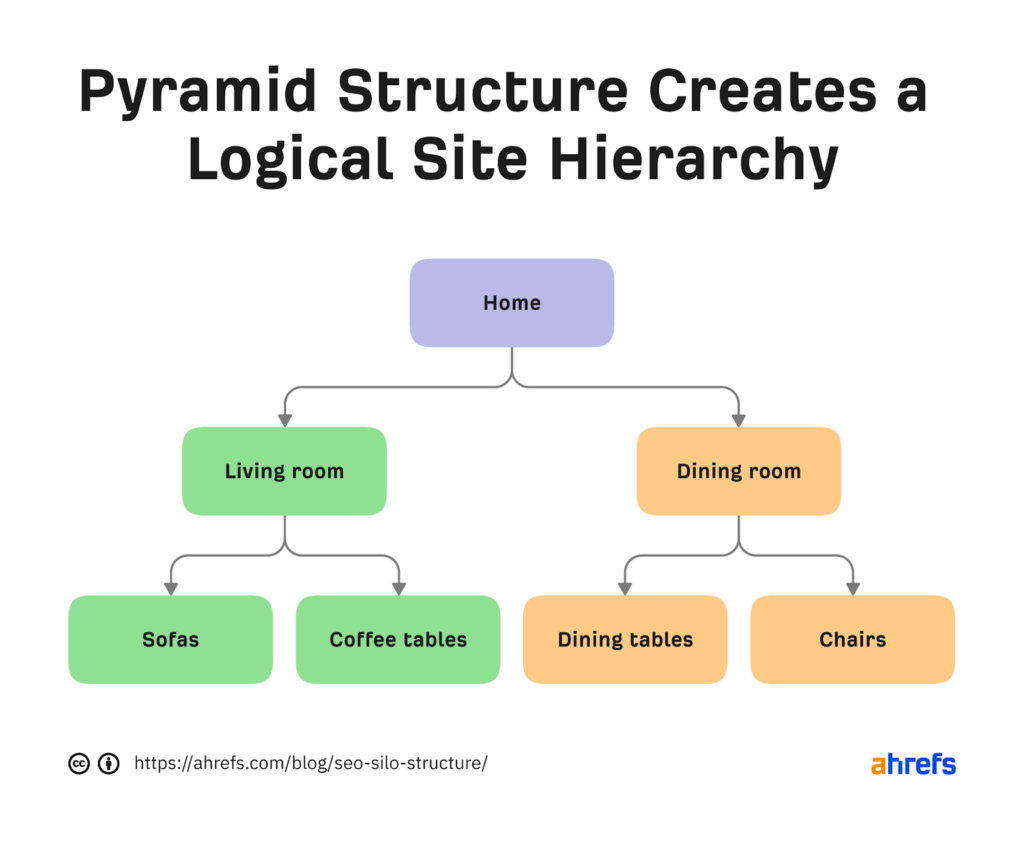
It tells you exactly how your data looks to an AI and helps implement advanced, layered markup think How To, FAQ Page, and specialized industry schema ensuring your data is machine readable and completely unambiguous. Honestly, this is the foundational layer.
2. Conversational Insight Analyzer
Remember we talked about writing like people talk? This tool is crucial for that. The Conversational Insight Analyzer (a key feature in SEO tools like Clearscope or MarketMuse) uses LLMs to reverse engineer common conversational search patterns and question formats related to your topic.
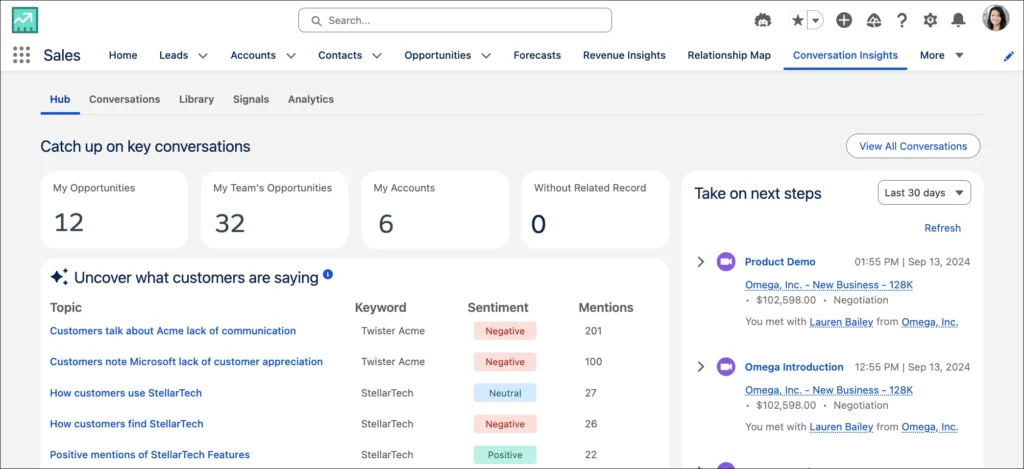
Instead of simply chasing a single keyword, it gives you a cluster of related, naturally phrased questions. Using these to inform your headings and content means you are optimizing for true human intent, making your content perfect for AI aggregation.
3. Topic Authority Mapping Software
When AI generates an answer, it prioritizes authority. A tool like Topic Authority Mapping Software (similar to features found in Semrush’s Topic Research) goes beyond traditional keyword difficulty. It analyzes every topic on your site and measures your content coverage against the recognized knowledge graph for that subject.
It tells you not just if you’ve written about something, but if you’ve written enough to be seen as the definitive expert by the AI. This is where you find the missing pillars of your expertise.
4. Zero Click Audit Platform
If you’re not tracking AI summaries, you’re flying blind. A Zero Click Audit Platform (new modules from enterprise SEO tools like STAT or Searchmetrics) monitors the Search Generative Experience (SGE) or other AI overviews for your target queries. It specifically tracks:
- Whether an AI summary appears.
- Which sources the AI cites.
- Which questions the AI answers within the summary.
This allows you to see where your GEO efforts are paying off and, just as importantly, where your competitors are beating you in the summary war.
5. Content Clarity Score
AI models love clarity; they hate ambiguity. The Content Clarity Score (advanced features in popular readability checkers and content editors) is a GEO specific metric. It assesses things like sentence structure complexity, jargon overuse, and reliance on highly niche or unverified data sources.
It nudges your content toward a structure and readability that is easy for a machine to digest and reproduce accurately, keeping that Flesch Reading Ease score high.
6. Multimedia Metadata Manager
As we’ll discuss later, GEO isn’t just about text. Multimedia Metadata Manager (specialized CMS plugins or DAM systems) ensures that every image, video transcript, and audio file has detailed, relevant, and schema marked metadata.
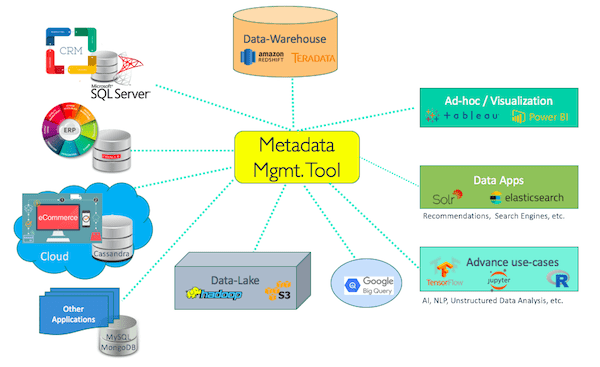
AI is increasingly using nontextual assets to synthesize answers; you want to make sure your video’s content is just as machine readable as your article body.
7. Brand Knowledge Graph Tracker
Your brand identity is now an SEO asset. A Brand Knowledge Graph Tracker helps you actively manage how search engines and AI view your corporate identity. Is your founder clearly linked to your company? Are your company facts correct and consistent across the web?
This tool helps you solidify your brand as a verifiable entity, which is paramount for GEO trust signals. For more information you can read more about Brand SEO, it will help you to build your brand with the help of SEO.
8. Enterprise AI Content Governance Software
For larger organizations, you can’t have different teams creating content without a shared GEO standard. Enterprise AI Content Governance Software (custom internal tools or platforms like Conductor) enforces GEO quality control across all departments.
It ensures that every piece of content from a press release to a product description is created with the same high standards for Expertise, Experience, Authoritativeness, and Trustworthiness (E E A T) and machine readability.
9. Question Mapping Analyzer
Think of this as a sophisticated version of “People Also Ask.” The Question Mapping Analyzer goes deep into user query paths. It doesn’t just show related questions; it maps the journey a user takes from a high level query (e.g., “what is GEO”) to a high intent query (e.g., “how much does GEO cost”). Creating content that answers that entire path ensures the AI keeps citing your site throughout the user’s research process.
10. Language Variance Optimizer
Since we’re talking about a global audience, language variance is important. The Language Variance Optimizer ensures your core concepts and proper nouns are presented consistently across different dialects and language markets.
It helps you ensure that your English content uses globally understood terms, preventing AI confusion and ensuring your content translates accurately and confidently in generative outputs across different regions.
How to Implement Generative Engine Optimization (GEO) in 2026
So, you understand what GEO is, and you know why it’s crucial. Now comes the part where we roll up our sleeves. Implementing a successful GEO strategy isn’t a single switch you flip. It’s a fundamental shift in how you produce and structure every piece of content.
You’re essentially training the AI, showing it exactly why your site is the one it should rely on. This one covers the core pillars of that training regimen.
Why Brand Authority is Critical for GEO
Honestly, this is the most important lesson you can take from this article: Brands beat websites.
Think about how people search. When they’re looking for high stakes information like financial advice, medical procedures, or legal counsel, they don’t just click on the first link with the right keyword density.

They look for names they recognize and trust. AI systems, which are designed to prioritize safety and accuracy, feel the same way. An AI won’t risk citing a random, unknown page when it can cite a well recognized, established brand. It’s too risky for the AI’s reputation.
Your content might be technically correct, but if your brand doesn’t have what we call online street cred in that specific subject area, the AI will likely pass over it for a more authoritative source.
- The Entity Layer: You need to establish your company, your founder, and your key authors as verifiable entities in the eyes of the search engine. This means using consistent branding, consistent names, and clear associations across every platform you touch: your website, social media, industry directories, and news mentions. If your founder is cited in multiple reputable places speaking about finance, the AI learns that they are an expert financial entity. That’s powerful.
- Corroboration is Everything: You can claim you’re the best all day long, but the AI cares more about what other credible people say about you. This means that genuine backlinks from reputable publications, academic citations, and positive reviews on trusted third party platforms carry disproportionate weight. This external validation proves your expertise isn’t just self proclaimed.
- The Trust Test: Authority is built on consistency. Every piece of content, every product description, and every company fact must align across the web. Any inconsistency, a different phone number on a directory, an old address on a citation creates a tiny crack in the AI’s trust model. You need airtight consistency to achieve that ultimate level of machine trust.
The goal isn’t just to write a good article; it’s to make sure the AI knows the article comes from a globally recognized, trustworthy source.
Leveraging E E A T Signals: The AI’s Quality Checklist
If brand authority is the foundation, then E E A T is the structural steel that holds your GEO strategy together. This acronym stands for Experience, Expertise, Authoritativeness, and Trustworthiness. It’s Google’s framework for assessing content quality, and it has become the gold standard for every generative AI model that synthesizes information.
For GEO, E E A T must be translated into explicit, machine readable signals.
- Experience: This is the newest and perhaps most critical element. It’s no longer enough to summarize a topic; you have to prove you’ve done the thing. If you’re reviewing a software product, include original screenshots or a video walkthrough. If you’re writing a guide on home renovation, show original photos of your own project or case studies with unique data. This real world proof is what separates authentic content from generic, AI generated summaries.
- Expertise: This focuses on the creator. Every piece of content, especially on specialized topics, should be attributed to a real person. That author must have a detailed, verified bio that links out to their credentials, qualifications, and relevant experience. If a certified doctor writes about cardiology, the AI needs to know they’re a certified doctor. Simple as that.
- Authoritativeness: This is the reputation component. It’s built through being mentioned or cited by other highly reputable websites, news outlets, and industry bodies. When a globally respected news source quotes your article’s statistics, the AI immediately flags your content as authoritative on that topic.
- Trustworthiness: This is the bedrock. It’s a mix of technical and content quality signals. Is your site secure (HTTPS)? Is your privacy policy easily accessible? Do you clearly source and fact check all statistics and claims, linking back to original research? Transparency and accuracy are nonnegotiable for a system whose primary mission is to provide helpful and harmless information.
You need to actively audit your content against these four pillars. Don’t assume your content is good enough; you must explicitly show the AI why it’s trustworthy.
Technical SEO Checklist: Ensuring Your Site is Generative Ready
You can have the best content in the world, but if the AI’s crawlers can’t easily read, understand, and categorize it, it won’t be cited. Technical SEO has always been about making your site easy for machines to crawl, but now it’s about making your data easy for AI models to consume.
Here are the nonnegotiable technical checks for the GEO era:
- Schema Markup is Mandatory: Implementing structured data isn’t a bonus feature anymore; it’s essential. You need to be using specific schema types like
Article,FAQ Page,How To, andReview, to explicitly tell the AI what your content is about. This spoon feeds the AI the exact context and answer snippets it needs to generate its summary, maximizing your chances of being cited. - Clean Code and Fast Speed: While Core Web Vitals are about user experience, they also signal quality to the AI. A fast, clean, mobile friendly site is seen as professionally managed and trustworthy. Conversely, a slow, buggy site with poor layout stability suggests neglect, eroding trust.
- Entity Mapping: This goes deeper than keywords. You need to ensure your internal linking structure is logical and semantically connected. When you talk about a person, place, or product (an entity), link it consistently to your other content about that same entity. This maps a clear web of information for the AI, proving your comprehensive coverage of the subject.
- No Crawl Blocks: Make absolutely certain that your
robots.txtfile is not accidentally blocking the new AI crawlers, such as those used by large language models. While you can protect certain proprietary assets, blocking all generative AI bots means you will simply never appear in their outputs. You must permit access to be part of the game.
Optimizing for Conversation: Write Like People Talk
The shift to generative AI has utterly changed keyword strategy. People don’t search like robots anymore; they ask questions like humans. They use natural language, conversational phrases, and often include context or follow up details.
GEO content must mirror this conversational style:
- Target Long Form Questions: Instead of focusing purely on short tail keywords (e.g., “SEO tips”), focus on long, conversational queries like, “What are the most common mistakes people make when starting an SEO strategy and how can I fix them?” Use a Question Mapping Analyzer to find the exact journeys your audience takes.
- Use Question Based Headings: Every H2 or H3 tag should ideally be a question a person would ask, with the answer immediately following in the very first sentence or two of that section. These short, direct answer snippets are prime real estate for AI extraction.
- Embrace the Conversational Tone: Use contractions (it’s, you’re, we’ve), idiomatic expressions (sparingly, to add color), and a rhythm that feels spontaneous. This isn’t just to increase readability; AI models are trained on vast amounts of natural, conversational human text, and content that matches this cadence is often preferred.
Utilizing Multimedia for Generative Search Visibility
For years, we treated images and videos as afterthoughts, things to decorate the text. In the GEO world, that mindset is obsolete. AI models are becoming multimodal, meaning they can synthesize information from text, images, video transcripts, and audio.
You need to optimize your nontext content as if it were your main article:
- Detailed Transcripts: Every video or podcast you publish must have a complete, accurate, and machine readable transcript. This allows the AI to understand and cite the information spoken in the video, not just the title and description.
- Image Metadata: Beyond simple
alttags, use captions and file names that clearly describe the content and context of the image. If an image displays a specific chart or data point, describe that data point in the caption so the AI knows exactly what information the visual represents. - Video Schema: Use specialized video schema markup to provide the AI with details like duration, upload date, and a summary of the content. This helps your video clips show up in generative answers that require visual examples or step by step instructions.
By utilizing multimedia, you offer the AI more avenues to discover and cite your expertise, essentially giving you extra lottery tickets in the generative drawing.
Digital PR Strategy: Building Off Site Expertise and Authoritativeness
Digital PR, or Public Relations, is now arguably more important than traditional link building for GEO. Why? Because PR focuses on securing unlinked mentions and citations from high authority, real world publications.
If a major global news site mentions your company’s unique study on remote work trends, the AI sees that mention as proof of your authority, whether or not the article includes a followable link. The authority signal comes from the mention itself.
- Become the Source: Actively pursue opportunities to be quoted as an expert in your field. Use services that connect journalists with sources. When a reporter quotes your company’s data or your founder’s opinion, that acts as a powerful, third party E E A T signal that the AI highly values.
- Focus on High Tier Sites: One mention on a globally recognized news platform or a respected academic journal is worth more for GEO than fifty backlinks from generic blogs. Focus your PR efforts where trust and authority are inherently high.
- Reputation Management: Monitor online forums, industry communities, and review platforms. Negative or inconsistent information found on these external sites can erode the trust signal the AI has built around your brand. Digital PR is also about proactively managing the narrative to ensure your entity is seen as consistently positive and reliable.
Effective Content Distribution for Generative Engines
Once your GEO optimized content is live, you can’t just wait for the AI to find it. You need a distribution strategy that specifically feeds your content to the systems that the generative AI models monitor.
- Feed the Knowledge Graph: Distribute your content onto platforms that are known to be trusted data sources for AI models, such as verified industry directories, social platforms with strong identity verification (like LinkedIn), and platforms that encourage structured, Q&A style content.
- Internal Linking Structure: Don’t forget your own site! Use your internal linking strategy to create content hubs or clusters. Link all supporting articles back to one main, authoritative pillar page. This not only helps users navigate but clearly signals to the AI that your pillar page is the definitive source for that entire topic, making it a stronger citation candidate.
- Structured Sharing: When sharing content on social media, use descriptive, long form text that clearly summarizes the post’s core answer. This meta text often gets indexed and can help reinforce the content’s relevance to conversational queries, even if the user never clicks through the social platform.
GEO & Search Engine Optimization: Not a War, But a Partnership
If you take only one idea away from this whole conversation, let it be this: GEO does not replace SEO.
I know, it’s tempting to think that with AI summarization and all the fancy new tech, the old guard of SEO is finally done for. But that’s simply not true. Think of it less as a changing of the guard and more as a massive architectural expansion of the entire search ecosystem.
Traditional SEO is still the foundation; GEO is the smart home system layered on top. You need the foundation for the smart system to work.
Here’s the breakdown of how these two powerful forces now coexist and complement each other:
The Shift in Goal: Clicks Versus Citations
The fundamental difference lies in what each strategy optimizes for:
- Traditional SEO’s Goal: Drive clicks to your website. Success is measured by keyword rankings, organic traffic volume, and click through rates (CTR). You want your link at Position 1.
- Generative Engine Optimization (GEO)’s Goal: Achieve citations and inclusion in AI generated answers. Success is measured by how often your brand, data, or content is mentioned, quoted, or used as a source in the AI overview, even if the user never clicks through to your site.
SEO fights for the top of the link list. GEO fights to be the answer that sits above the link list. That distinction is everything.
The Overlap: Where Your Old Strategy Still Pays Off
You haven’t wasted your last ten years of hard work. In fact, a good SEO foundation is what makes GEO possible. They share critical, nonnegotiable principles:
- E E A T is Universal: Experience, Expertise, Authoritativeness, and Trustworthiness matter to Google’s ranking algorithms and to every large language model. If your site has strong domain authority and trustworthy content for SEO, the AI is far more likely to cite you, because it trusts the source.
- User Intent Rules: Both strategies are built around deeply satisfying the user. Whether you’re writing for a traditional search result or an AI summary, the content must be accurate, comprehensive, and perfectly aligned with the user’s conversational question.
- Technical Health is King: A site with a strong technical SEO foundation like fast loading, mobile friendly, clear hierarchy is inherently easier for any machine, whether it’s a traditional crawler or an LLM, to access and understand.
The True Difference: Interpretation, Not Infrastructure
The biggest strategic divergence comes down to how the authority signals are interpreted:
| Feature | Traditional SEO Focus | Generative Engine Optimization (GEO) Focus |
| Keywords | Exact match terms; density in titles and body. | Conversational prompts; semantic context; entity relationships. |
| Authority | Backlinks from high Domain Authority (DA) sites. | Verifiable, cited facts; expert quotes; brand mentions (even unlinked). |
| Content Structure | Hierarchical headings and readability for human readers. | Machine readability; structured data (Schema); concise, direct answer formats. |
| Primary Output | A hyperlink on a search results page (SERP). | A synthesized narrative answer citing your content as a source. |
Honestly, you need to shift your mindset from optimizing for a ranking metric to optimizing for AI comprehension. While traditional SEO used the proxy of backlinks to determine trust, GEO demands that trust be explicit and clearly structured within the content itself.
You must make it utterly simple for the AI to extract your facts, cite your brand, and use your voice.
This isn’t an either/or scenario; it’s a strategic evolution. SEO gets you discovered or Local SEO helps you to stand out in your city; GEO ensures you are included in the answer. To win the future of search, you need both working seamlessly together.
Future of Generative Engine Optimization: What Comes Next?
If you feel like you just finished a marathon, hold on, you’re really just at the starting line of the next race. GEO is not a static field; it’s evolving constantly alongside AI itself. Sticking with the old “set it and forget it” mentality will mean being left behind rapidly.
Where is this going? I’ll give you a few key predictions that marketers and business owners need to keep top of mind over the next few years.
1. Hyper Personalization is Coming
Right now, AI overviews are generally similar for a large segment of users. But soon, generative AI will use a dizzying amount of personal context for example your search history, your geographic location, the time of day, your device, and even the emotional tone of your query to craft a completely unique answer.
This means Generative Engine Optimization will evolve from optimizing for a general conversational query to optimizing for a user persona’s contextual intent. Your content won’t just need to be accurate; it will need to anticipate hyper specific needs.
For instance, an AI might synthesize different answers for “best running shoes” if the user searched “marathon training” last week versus “casual footwear for city walks.” You’ll need content that clearly addresses all these nuanced use cases.
2. The Rise of Proactive Content Generation
Today, we wait for the AI to crawl our content. Tomorrow, we’ll be actively feeding the AI knowledge graphs. Think of this as bypassing the crawl queue altogether. We’ll likely see new Direct Submission Protocols where highly trusted entities can push certified facts and structured data directly into the knowledge bases that generative models use.
This means your technical team will need to master new data formats and verification processes to ensure your information is included the moment it’s published.
3. Voice and Visual Search Will Dominate
We’ve talked mostly about text outputs, but the future of generative search is intensely multimodal.
- Voice Search: People speak very differently than they type. Voice queries are longer and more emotional. GEO will require a deeper understanding of spoken language patterns, pauses, and emphasis to craft content that naturally fits into a spoken AI response.
- Visual Search: Imagine snapping a photo of a broken appliance and asking, “How do I fix this, and which local repair shop has the best E E A T?” The AI will synthesize an answer from your video tutorials and local business listings. This reinforces the need for excellent Multimedia Metadata Manager tools.
The bottom line? GEO will become less about individual documents and more about a unified brand knowledge cloud that effortlessly feeds verified, authoritative information to every single generative interface, regardless of the input type.
Generative Engine Optimization (GEO): FAQ’s
It’s completely normal to feel overwhelmed by this shift. You probably have a million questions bouncing around your head right now. Here, we tackle the most common queries we hear from marketers making the transition to GEO. These are the quick, clear answers you need to feel confident moving forward.
1. What is Generative Engine Optimization (GEO)?
GEO is the practice of strategically creating and structuring your website content so that it can be easily understood, trusted, and cited by the large language models (LLMs) used in AI generated search overviews and summaries. Unlike traditional SEO, which aims for a link ranking, GEO aims for your brand to be featured as the source of truth within the AI’s synthesized answer.
2. GEO vs. SEO: What is the Difference and How to Optimize?
The main difference is the goal and the recipient. SEO targets Google’s core ranking algorithm to gain a click to your site. GEO targets the AI model to gain a citation or mention within the AI summary.
How to Optimize: You can’t ignore SEO, but you must augment it. Continue to build backlinks and site speed (SEO), but also aggressively implement advanced Schema, focus on conversational writing, and obsessively enhance your E E A T signals (GEO). Think of GEO as a specialized layer built on top of a strong SEO foundation.
3. Do I Need to Change My Previous SEO Strategy for Generative AI?
Yes, absolutely, you need to change your strategy, but don’t abandon it. You don’t need to scrap everything you’ve built; you need to repurpose and enhance it.
The biggest change is shifting your mindset from keyword focus to topic authority and conversational query resolution. You’re changing how you write, how you structure your data, and how you prove your expertise. Your strategy should move from, “How do I rank for this keyword?” to, “How do I make my content the only logical answer the AI can cite for this entire topic?”
4. What Types of Content Work Best for Generative Engine Optimization (GEO)?
The best content for GEO is content that provides verifiable, concise, and structured answers to complex questions.
Content that performs exceptionally well includes:
- Definitive Guides: Long form pillar pages that comprehensively cover an entire subject, linked to many supporting articles.
- Structured Q and A Pages: Pages that use an H2 or H3 tag as the question and follow immediately with a clear, one to two sentence answer, perfectly structured with
FAQ PageorHow Toschema. - Original Research and Data: Content that includes proprietary statistics, case studies, or original methodologies is highly prized because it’s unique and, therefore, highly authoritative. AI can’t synthesize original research from other sources.
The Final Takeaway: It’s Time to Build Trust, Not Just Links
We’ve covered a lot of ground here, from dissecting the difference between GEO and traditional SEO to implementing granular strategies for improving your E E A T signals. If all of this feels like a significant challenge, honestly, that’s because it is. This is the biggest shift in search visibility since the dawn of mobile browsing.
But here’s the inspiring truth: The rise of generative AI is not a threat to quality content; it’s a massive opportunity for authoritative brands.
Generative Engine Optimization isn’t about gaming a new algorithm; it’s about a return to first principles. It forces us to put user experience, verifiable expertise, and absolute trustworthiness above all else. When you apply the strategies we discussed like optimizing for conversational questions, mastering structured data with tools like the Structure Sentinel, and aggressively building real world brand authority.
You aren’t just pleasing a search engine. You are becoming the essential, trusted source of truth for an artificial intelligence that millions of people rely on every single day.
Look, you don’t want to be the brand that gets left in the old index, wondering why your traffic dried up. You want your content to be the definitive fact that the AI quotes. You want your name to appear right there, front and center, as the reason the user received a perfect answer.
It’s time to move beyond the click chase. Start focusing today on becoming the most trusted, authoritative entity in your space. The future of search success isn’t about getting the user to click on your link; it’s about making your content so good that the AI simply can’t ignore it.
The foundation is built, the tools are ready, and the path forward is clear. Now go take ownership of the generative future.